
Blog
Notes from the hall
Written for the engineer who has to specify a weldment and then live with it. Every figure here comes from the same certificates and machine list as the rest of the site, and where something is not published we say so instead of estimating it.
All notes
· 6 min read
Platforms, stairs and walkways: 6 050 mm of press brake, 7 900 mm of booth
A platform or walkway drawing can be priced once it names grades, grating, finish and split points. The steel then passes laser, press brake, fixture, blasting chamber and paint booth in that order.
Read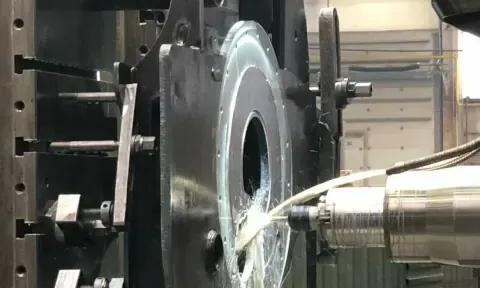
· 6 min read
Paint and machined faces: mask before blasting or machine after cure
A machined bearing seat and a blasted frame need opposite surfaces. The travel of the boring mill and the curing temperature decide whether the faces are masked or machined last.
Read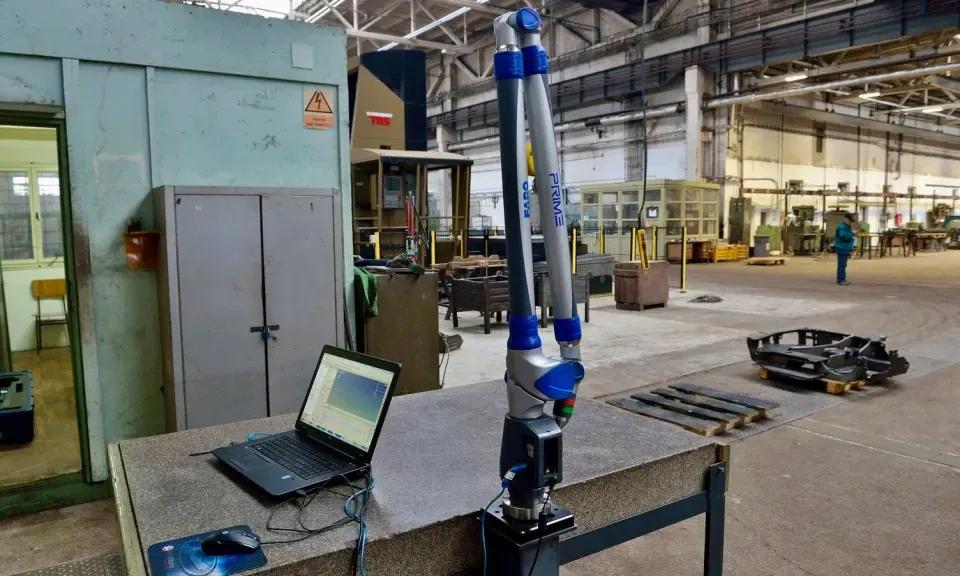
· 6 min read
Welded structures supplier in Slovakia: 40 mm or 3 to 16 mm of weld scope
A buyer in Germany or Austria with a drawing checks the EN ISO 3834-2 welding scope first. The seam level and the machine envelopes come next.
Read· 7 min read
Belt conveyor frames: 6 050 mm of press brake, 7 900 mm of paint booth
A belt conveyor frame meets the hall at three lengths: the 6 050 mm press brake, the 14 m robot track and the 7 900 mm paint booth. What the drawing must show, and where those lengths place the joints.
Read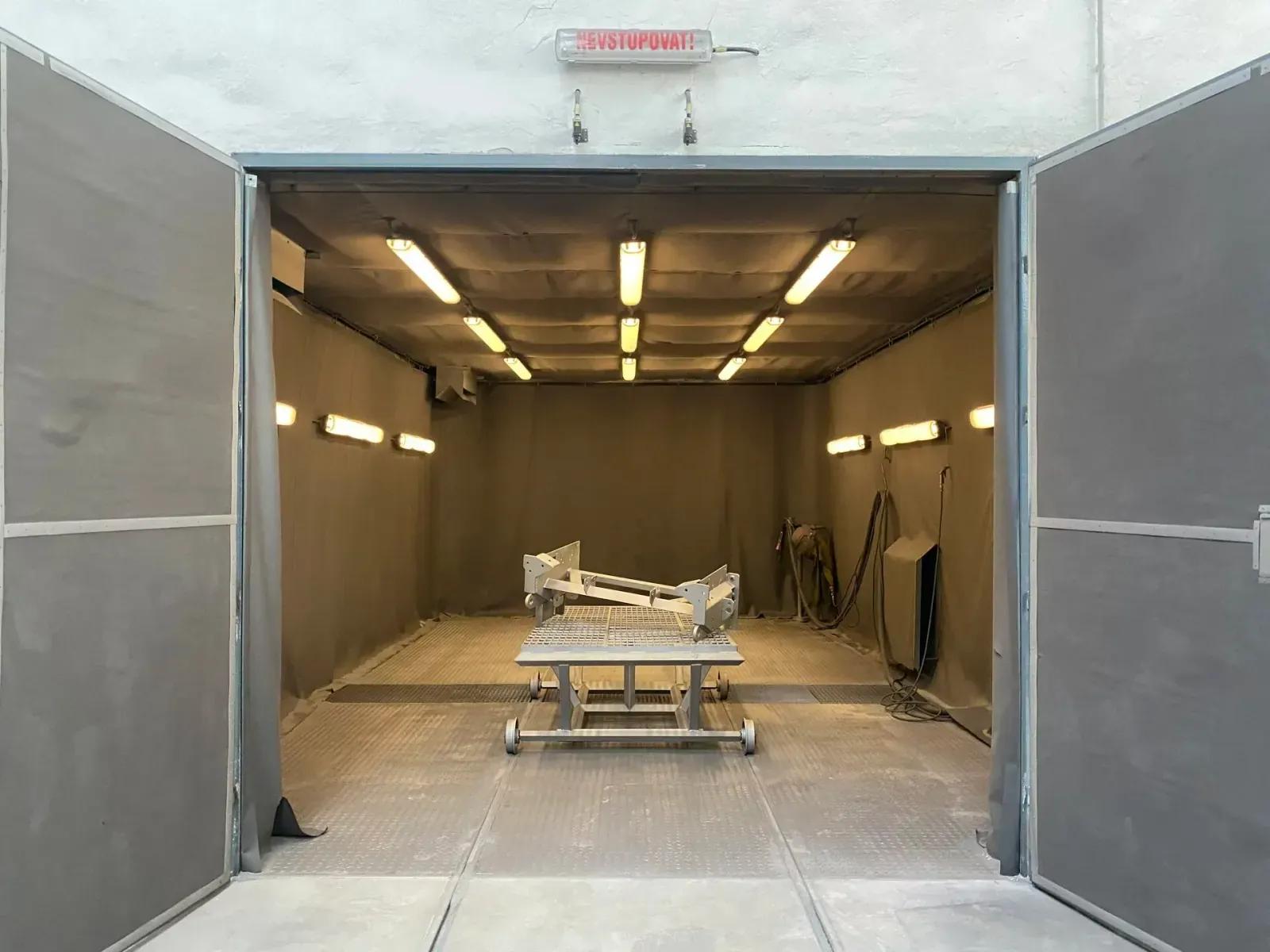
· 6 min read
8 000 or 7 900 mm long: the finishing bottleneck for big weldments
A weldment has to fit both the 8 000 x 5 000 x 3 000 mm blast chamber and the 7 900 x 5 000 x 4 890 mm paint booth. The smaller room on each axis sets the limit.
Read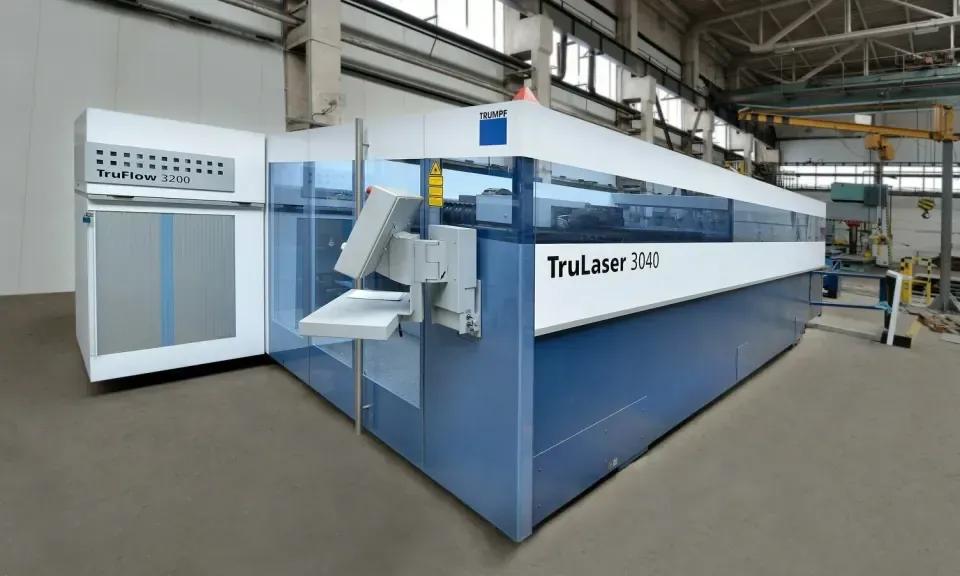
· 5 min read
Laser cutting plate thickness: 20 mm, 40 mm or 3 to 16 mm by grade
The TruLaser 3040 cuts plate up to 20 mm on a 2 000 x 4 000 mm bed. Past that, grade and thickness decide the cutting route, and the welding scope sets the outer limit.
Read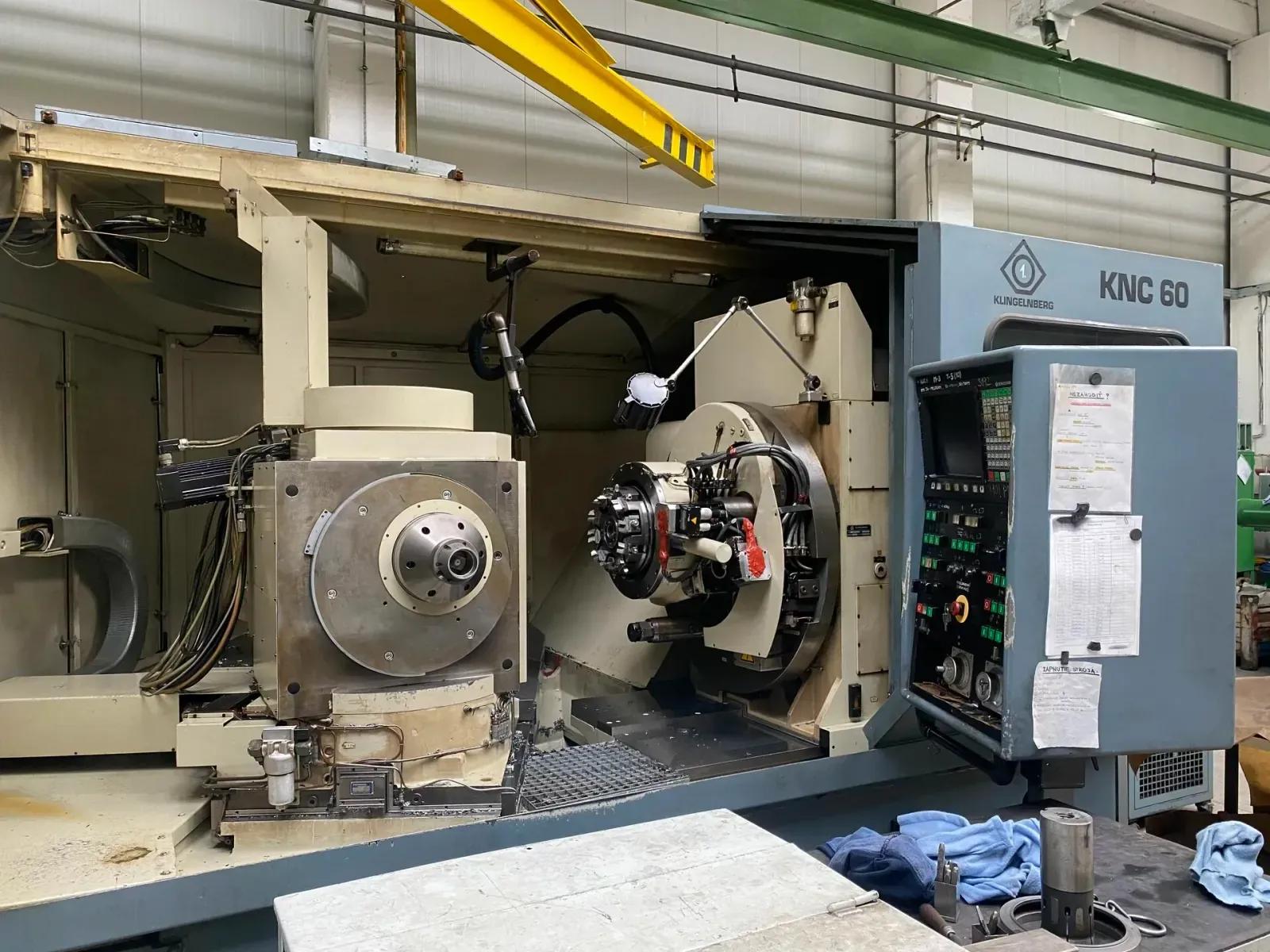
· 7 min read
600 mm or module 13: the limits of hobbing a gear in-house
The KNC 60 hobs gears up to 600 mm across the tips, from module 2 to 13, up to 110 mm wide and with 5 to 120 teeth. Each limit decides whether a gear is cut beside the frame it drives or goes to a second supplier.
Read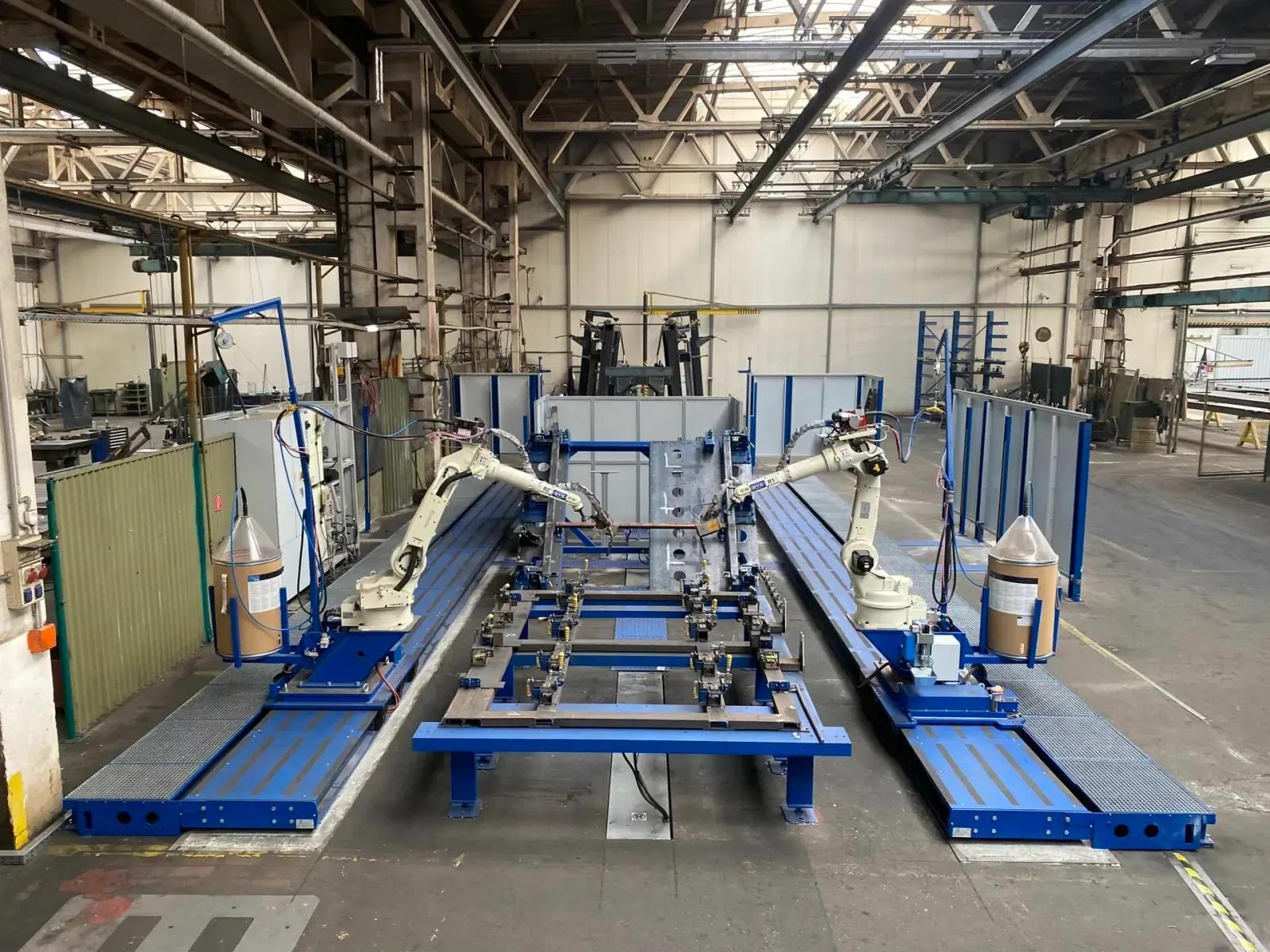
· 6 min read
Weldment height by structure type: 2.8 m, 3.4 m, 3.9 m or 6.0 m
A typical enclosure stands 2.8 m tall and a typical platform stands 6.0 m. The height class of a weldment decides how it is blasted, painted, machined and loaded.
Read· 6 min read
Dimensional inspection of welded frames: 1.5 to 13.6 m against the drawing
The measuring arm checks a welded frame after the last weld cools and before the blast chamber. The drawing's tolerance class sets the limits, and the report shows every deviation.
Read· 6 min read
Laser cutting steel plate: what 2 000 x 4 000 mm and 20 mm decide
A part whose flat outline fits 2 000 x 4 000 mm, in plate up to 20 mm, comes off the TruLaser 3040 in one piece. Longer parts are split in the nest and welded back at a joint the drawing allows.
Read· 7 min read
Blasting before paint: what happens in the 8 000 x 5 000 x 3 000 mm chamber
A welded frame follows its route from the fitting bay into the 8 000 x 5 000 x 3 000 mm blast chamber. Masking, surface checks and timing there decide how long the paint lasts.
Read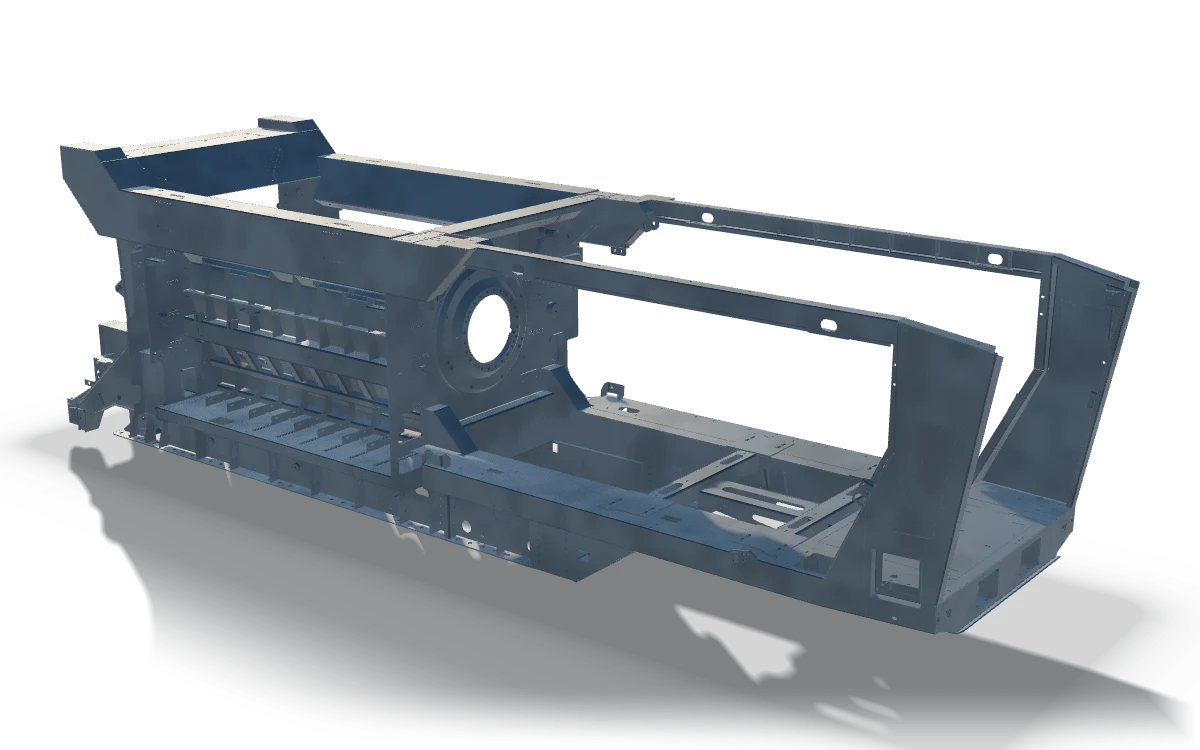
· 4 min read
What EXC2 to EN 1090-2 actually requires from a supplier
Execution class is not a badge. It is a list of things that have to exist in the workshop before your weld is made, and a separate list of things it does not mean.
Read
Page 1 of 2
RSS feedStart here
Send the drawing. We answer with a price and a date.
STEP, DWG, DXF, PDF or ZIP, up to five files. Your drawings stay private: they are stored outside the web server and read only by our engineers.